




The Parent You Aspire to Be
By Miles Carter
Difficult behavior can bring out reactions you promised yourself you’d change—yelling, shutting down, overcorrecting, or losing patience.
The Parent You Aspire to Be helps you understand what may be driving the behavior and respond with clearer boundaries, better communication, and more self-awareness.
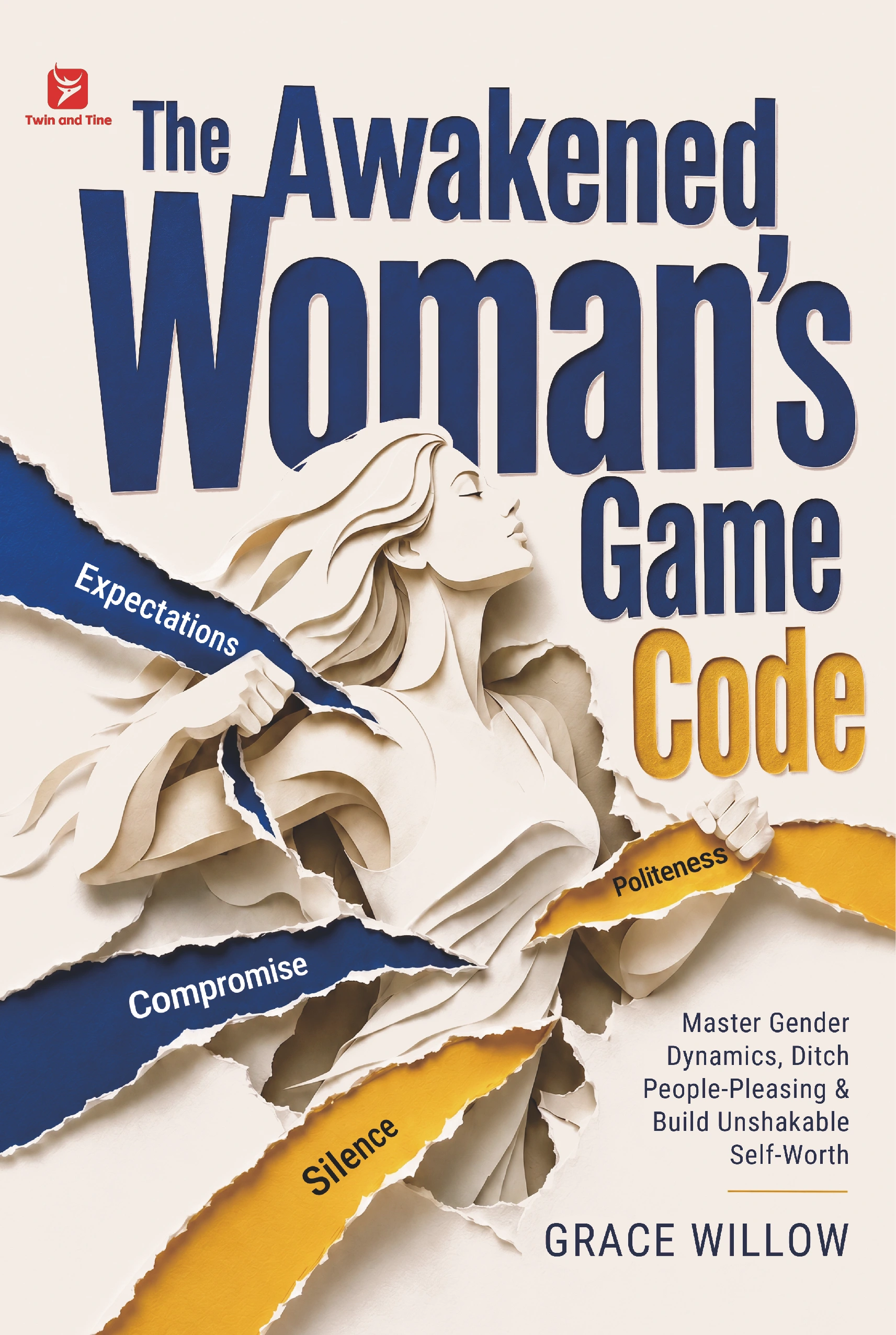
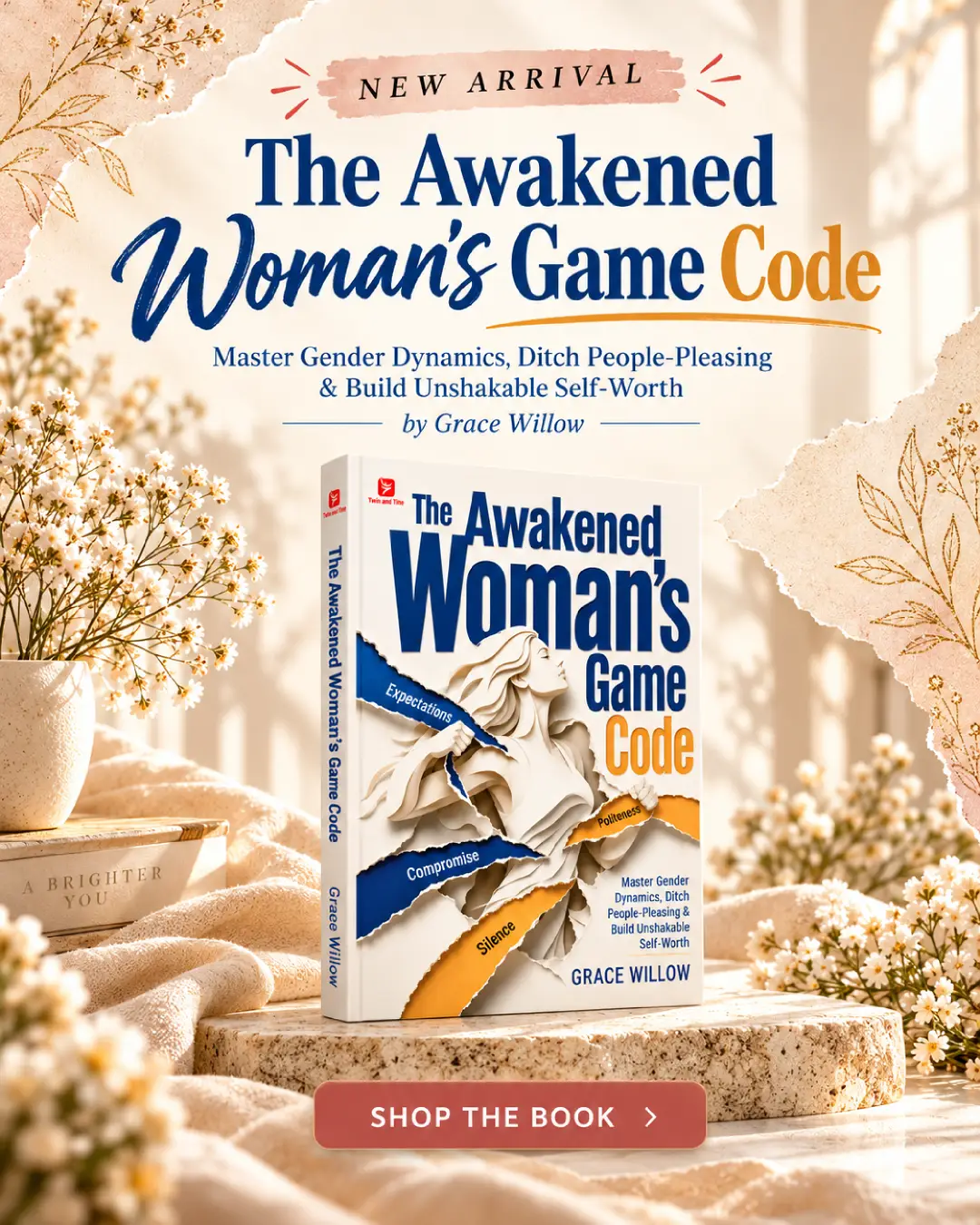
The Awakened Woman’s Game Code
By Grace Willow
You say yes when you mean no. You soften your opinions, put everyone else first, and replay conversations wondering if you said too much—or not enough. Somehow, you end up being the one who always gives in.
The Awakened Woman’s Game Code helps you recognize the patterns that leave you overgiving, second-guessing yourself, and accepting less than you want—so you can speak up without guilt, set boundaries without endless explanations, and stop losing yourself in relationships.
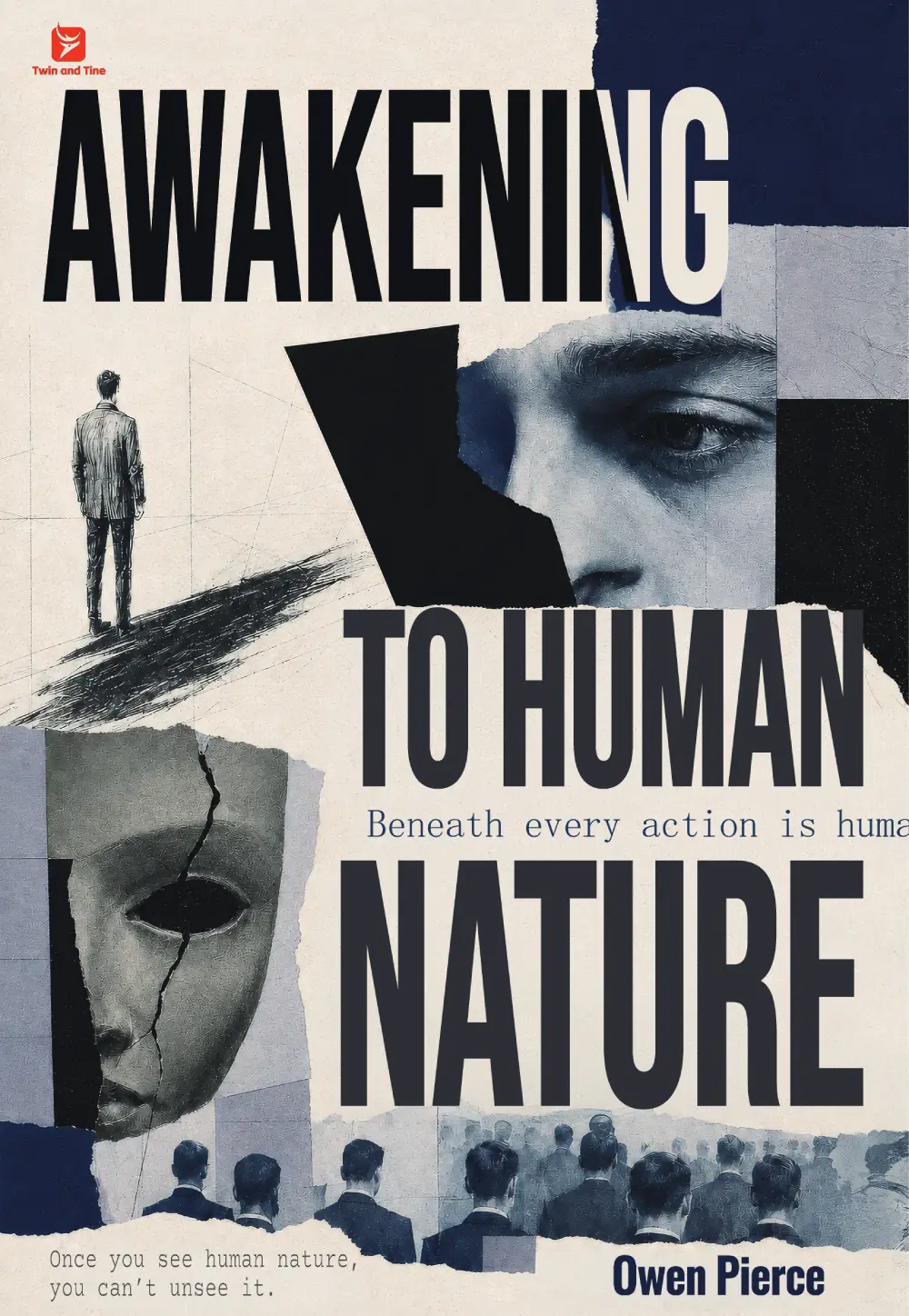
Expect disappointment and you'll never get disappointed.
Life has a way of teaching this lesson early, yet most of us ignore it. We set our hearts on how people should act, how friends must behave, and how love must feel. Yet, time and again, reality refuses to match our imagined ideals.

Working harder can bring in more money. But if every paycheck disappears into bills, spending, and debt, earning more alone may not change much.
Building wealth starts with learning how to use what you already earn more intentionally—how to manage it, reduce financial pressure, create better income habits, and gradually put more of your money toward long-term growth.

Say It Right Every Time
By Miles Carter
We’ve all been there—your heart races, your palms sweat, and suddenly your voice feels small or shaky. In a meeting, a difficult conversation, or any moment where the stakes feel high, pressure can make even simple words hard to find.
With the right approach, you can speak more clearly and confidently—even when your nerves are working against you.
Readers are raving
"This book made me cry but in the best way possible!! While reading this, it felt like the book was written specifically just for me!! This was the first time I’ve ever related to a book, from the first sentence to the last!! I’m so grateful I came across this book because it was exactly what I needed to read!! HIGHLY RECOMMEND!!!! 🥰🤗"
"This book is awesome! I sometimes struggle with coming up with the right thing to say on the fly, especially when working remotely and communicating with people over Slack. Sometimes I just don’t know how to respond, and even simple conversations can feel awkward. This book offers some really good ideas for responses, conversation starters, and things to say to help you navigate those situations. It’s practical, relatable, and gives you some ideas you can actually use in everyday life. If you’re someone who occasionally struggles to find the right words or wants to feel more confident in conversations, I highly recommend this book!"
"From Debt to Wealth by Owen Pierce is all about shifting your mindset, taking control of your finances, and working toward a stronger financial future. 💰📈 If building wealth is one of your goals, this may be the book to add to your reading list."
"I seriously love this book. It’s so great for parents who are trying to do better but don’t know how to do better if that makes sense"
"How to Read Someone’s Mind by Miles Carter review! This book arrived in great condition and the quality is really nice! The cover and pages feel well-made, and the font is a comfortable size, making it super easy to read. I also love how straightforward and interesting the book is—it’s definitely one you can pick up and actually enjoy reading without feeling overwhelmed. If you’re interested in psychology, body language, or understanding people better, definitely check this one out!"
"I opened a business being good at what I do, then I hired employees to help grow the business. Being a leader never crossed my mind when opening. I’ve had to train myself how to lead a team to success while supporting their own goals and helping them thrive. Books like these have helped me quite a bit."
"This doesn't have to be use for just a man. It could be any relationship or just learning another way to use your words 🤷🏾♀️"
"Actually it’s quite powerful women Ive met who talk this way to men usually have every man in her life wrapped around their fingers. Wouldn’t you rather change the words you use to manipulate situations to your liking or call it princess treatment and deal with sassiest of men?"
"I feel guilt admitting this out loud because I love my parents so much, and I made mistakes as a parent and have apologized to my boys who unbelievably are the best parts of me and thir mmm"
"Quick delivery despite a call for bad weather. And to serve it up with side of love (or maybe it's just coincidence) but this book was personalized for me! Pleasant surprise 💕Now THATS customer experience! Excited to dive in."
"Everything except the last one. I married the best man in the world and don’t feel I deserve him. He’s the best thing that ever happened to me and I don’t tell him that enough."
"I healed myself by being the parent mine weren’t to my own children."
Reader Stories
View all storiesThe numbers are not reality
Berman and Knight argue financial statements are built from estimates and choices, not reality. Cases like Xerox and WorldCom show how numbers get shaped, and cash is not profit. For nonfinancial managers who need to read statements.
Read storyFix yourself first, then look at the street
Peterson argues you must fix yourself before you fix the world, and rules like posture, truth-telling, and cleaning your room do help stuck readers. But the book underplays how self-improvement becomes avoidance, and it skates past structural inequality.
Read storyDoes kindness have a kill switch
Saad argues unchecked empathy becomes a civilizational killer, using cases like the scorpion and the frog and the dying whale pod. The book preaches to the converted and skips counterexamples, but it makes you notice who your kindness targets and who pays for it.
Read storyA stray hound who decided he already belonged
A stray hound walks into the Borland farm on Christmas night and changes everything. A memoir about mutual domestication and the quiet question of who actually adopted whom.
Read storyThe control trap no one outside could see
Shelly Knotek was charming to neighbors and ruthless at home, controlling her daughters and the adults who moved in. Three sisters took over twenty years to escape a prison without locks. The review examines the mechanics of control and asks why no one outside spoke up.
Read storyWhy he wouldn't sell the part that made him
Stallone wrote Rocky broke and refused to sell the lead. The memoir stops at the 1977 Oscars, charting the cost and limits of persistence—and admitting the need to keep proving himself outlived the poverty.
Read storyA brother's defense of a person before an icon
Charles Spencer writes the Diana he knew as a brother—not the princess, not the icon, but the girl who roamed Norfolk with him. Structured around the funeral, the memoir asks what you owe someone the world has already defined.
Read storyA foster dog will teach you more about love than any boyfriend
Klee fosters damaged dogs in Manhattan and keeps looking for the same steadiness in men. Her discovery: love and patience can heal a broken dog, but usually won't heal a broken man.
Read storyThe forgiveness we cannot earn
Ten years after his daughter's murder, Mack is asked to visit her killer on death row. The novel asks whether God's forgiveness can be real if it is selective. The prison scenes are among the most honest writing on forgiveness in recent fiction.
Read story